For Every Caregiver Looking for a Community
A supportive space for African and Black women navigating the realities of caregiving.
WHY BOLD DAUGHTERS CARE NETWORK?
Hearing that your child has a chronic illness or disability is something only those who have gone through it can truly understand. As the saying goes, only the shoe wearer knows where it pinches.
Nothing truly prepares you for this new role. Suddenly, you are a caregiver, whether you’re helping full-time or just supporting your loved one in the ways they need.
Around the world, it’s often women who take on the responsibility when someone needs care. Many leave their jobs, set aside their own dreams, and are always there when needed. This is especially true in Africa, where taking care of our loved ones is part of our cultural values.
But who takes care of the caregiver?
In our culture, asking for help can be seen as a weakness. Wanting rest can be misunderstood as abandonment.
While caregiving is rewarding and meaningful, it can be overwhelming and lonely when you lack support from both loved ones and the system, which is built without the unique needs of our lovedones in mind.
Nothing truly prepares you for this new role. Suddenly, you are a caregiver, whether you’re helping full-time or just supporting your loved one in the ways they need.
Around the world, it’s often women who take on the responsibility when someone needs care. Many leave their jobs, set aside their own dreams, and are always there when needed. This is especially true in Africa, where taking care of our loved ones is part of our cultural values.
But who takes care of the caregiver?
In our culture, asking for help can be seen as a weakness. Wanting rest can be misunderstood as abandonment.
While caregiving is rewarding and meaningful, it can be overwhelming and lonely when you lack support from both loved ones and the system, which is built without the unique needs of our lovedones in mind.
Why Now And Why Me?
This issue became personal for me when I experienced caregiving both as a parent. I also felt the weight of cultural stigma.
I realized we needed to start having honest conversations and create safe spaces for caregivers. In 2018, my friends and I held our first support meeting in our home country, and we have continued ever since. We have worked with local special needs schools, offering grassroots training to raise awareness about autism and other developmental issues. The need is great, especially as autism cases continue to rise.
I started this because I wanted a safe place to turn to when things got hard. A place where we could talk openly about disability and caregiving without judgment. Then, I realized I could help create that space.
Caregiving is rewarding and meaningful, but it can also be overwhelming. It helps to have a community supporting you.
That is what I wanted to make available to parents facing the challenges of raising a child with disability, and every caregiver: that feeling of belonging and the reassurance that they are not alone.
I realized we needed to start having honest conversations and create safe spaces for caregivers. In 2018, my friends and I held our first support meeting in our home country, and we have continued ever since. We have worked with local special needs schools, offering grassroots training to raise awareness about autism and other developmental issues. The need is great, especially as autism cases continue to rise.
I started this because I wanted a safe place to turn to when things got hard. A place where we could talk openly about disability and caregiving without judgment. Then, I realized I could help create that space.
Caregiving is rewarding and meaningful, but it can also be overwhelming. It helps to have a community supporting you.
That is what I wanted to make available to parents facing the challenges of raising a child with disability, and every caregiver: that feeling of belonging and the reassurance that they are not alone.
“Studies shows that parents wo take care of a child with special needs experience higher levels of stress because of the many demands.This stress affects their mental and overall well-being, and that is why this work matters to me.” – Maggie
See what other caregivers are saying
My sessions with Maggie were more than just guidance. It felt like waking up to something deeper inside me. She made room for honest reflection and growth, and in that space, I found clarity I didn’t even know I needed. Her wisdom, patience, and thoughtful approach to coaching are truly rare.
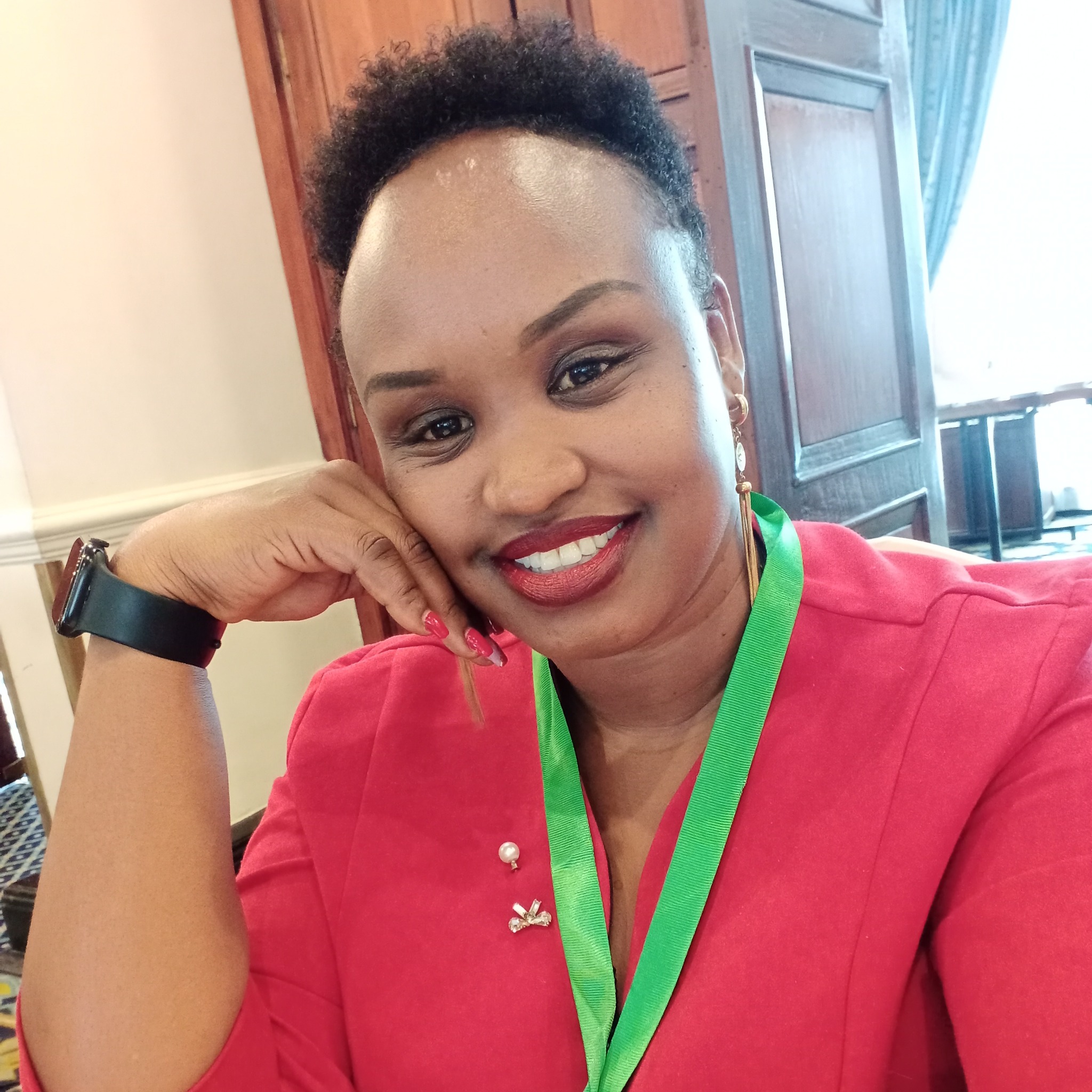
Cerebral Palsy Advocate
Kenya
Kenya
Thank you for creating a safe space where we can talk openly about disability, especially in African culture, where we were taught to stay silent. For shedding light on disability issues that many families struggle with silently.
And for openly calling out toxic cultural beliefs that give power to stigma.
And for openly calling out toxic cultural beliefs that give power to stigma.
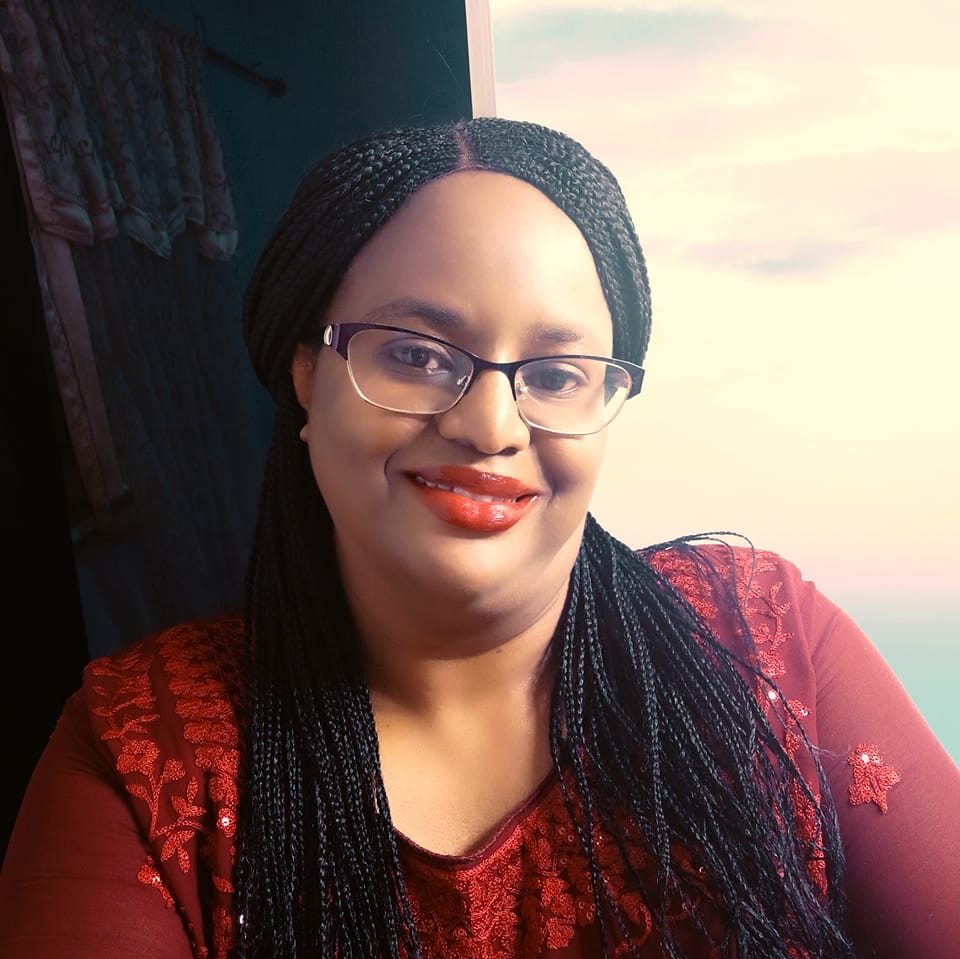
Mental Health Pediatric Nurse
USA
USA
I don’t know where to begin. I met Maggie when I really needed someone who understood. She gave me a place to talk without judgment or shame. After my child’s disability diagnosis, many people left my life, but meeting Maggie felt like a sign that God still cared for me. Thank you for always listening to me.

Caregiver Advocate, Kenya